

Interior design is the art and science of enhancing the interiors.
+) 22 256 7890
architecture@hub.com
+) 22 256 7890
architecture@hub.com
Error: Contact form not found.
Office 153, Building 925,
Road 3620, Block 436, Al Seef, Bahrain
We are on the way to our next stage of prosperity
Through a unique combination of engineering, construction and design disciplines and expertise.
A private equity firm specializing in commercial real estate investments sought SR360’s technical due diligence services for a proposed acquisition of a mixed-use property portfolio valued at $150 million. The portfolio included office spaces, retail outlets, and residential units located in various urban and suburban markets. The client’s primary concerns included regulatory compliance, operational risks, and the potential for unanticipated capital expenditure.
The firm needed an exhaustive analysis to:
1. Legal and Town Planning Analysis
A thorough review of zoning regulations, permits, and licenses was conducted to verify compliance. The team uncovered potential risks in one suburban property, where outdated zoning regulations limited its redevelopment potential. Further examination of leases revealed inconsistencies in tenant agreements, posing risks for asset management.
2. Design Review and Compliance Assessment
Architectural designs of the properties were evaluated for regulatory compliance. The analysis highlighted two buildings with non-compliance issues regarding fire safety and accessibility standards. A redesign strategy was proposed, including the addition of fire exits and the retrofitting of accessibility features to enhance asset functionality and compliance.
3. Installation Projects Analysis
Mechanical, electrical, and plumbing (MEP) systems were inspected across all properties. Several systems were identified as nearing obsolescence, particularly HVAC systems in retail spaces, which no longer met operational efficiency standards. Maintenance records indicated inconsistent servicing, exacerbating wear and tear.
4. Physical Inspection of Assets
The physical state of the assets was assessed through on-site inspections. One urban office building displayed significant wear in its façade, while another showed water damage in its underground parking facility. These findings were quantified to estimate immediate repair costs and future investment needs.
5. Repairs and Investment Quantification
A detailed investment quantification model was developed, categorizing costs into immediate (within 12 months), medium-term (1–5 years), and long-term (5+ years) expenditures. Immediate repairs were estimated at $4 million, while medium-term and long-term investments were projected at $6 million and $3 million, respectively.
1. Legal and Town Planning Analysis
A thorough review of zoning regulations, permits, and licenses was conducted to verify compliance. The team uncovered potential risks in one suburban property, where outdated zoning regulations limited its redevelopment potential. Further examination of leases revealed inconsistencies in tenant agreements, posing risks for asset management.
2. Design Review and Compliance Assessment
Architectural designs of the properties were evaluated for regulatory compliance. The analysis highlighted two buildings with non-compliance issues regarding fire safety and accessibility standards. A redesign strategy was proposed, including the addition of fire exits and the retrofitting of accessibility features to enhance asset functionality and compliance.
3. Installation Projects Analysis
Mechanical, electrical, and plumbing (MEP) systems were inspected across all properties. Several systems were identified as nearing obsolescence, particularly HVAC systems in retail spaces, which no longer met operational efficiency standards. Maintenance records indicated inconsistent servicing, exacerbating wear and tear.
4. Physical Inspection of Assets
The physical state of the assets was assessed through on-site inspections. One urban office building displayed significant wear in its façade, while another showed water damage in its underground parking facility. These findings were quantified to estimate immediate repair costs and future investment needs.
5. Repairs and Investment Quantification
A detailed investment quantification model was developed, categorizing costs into immediate (within 12 months), medium-term (1–5 years), and long-term (5+ years) expenditures. Immediate repairs were estimated at $4 million, while medium-term and long-term investments were projected at $6 million and $3 million, respectively.
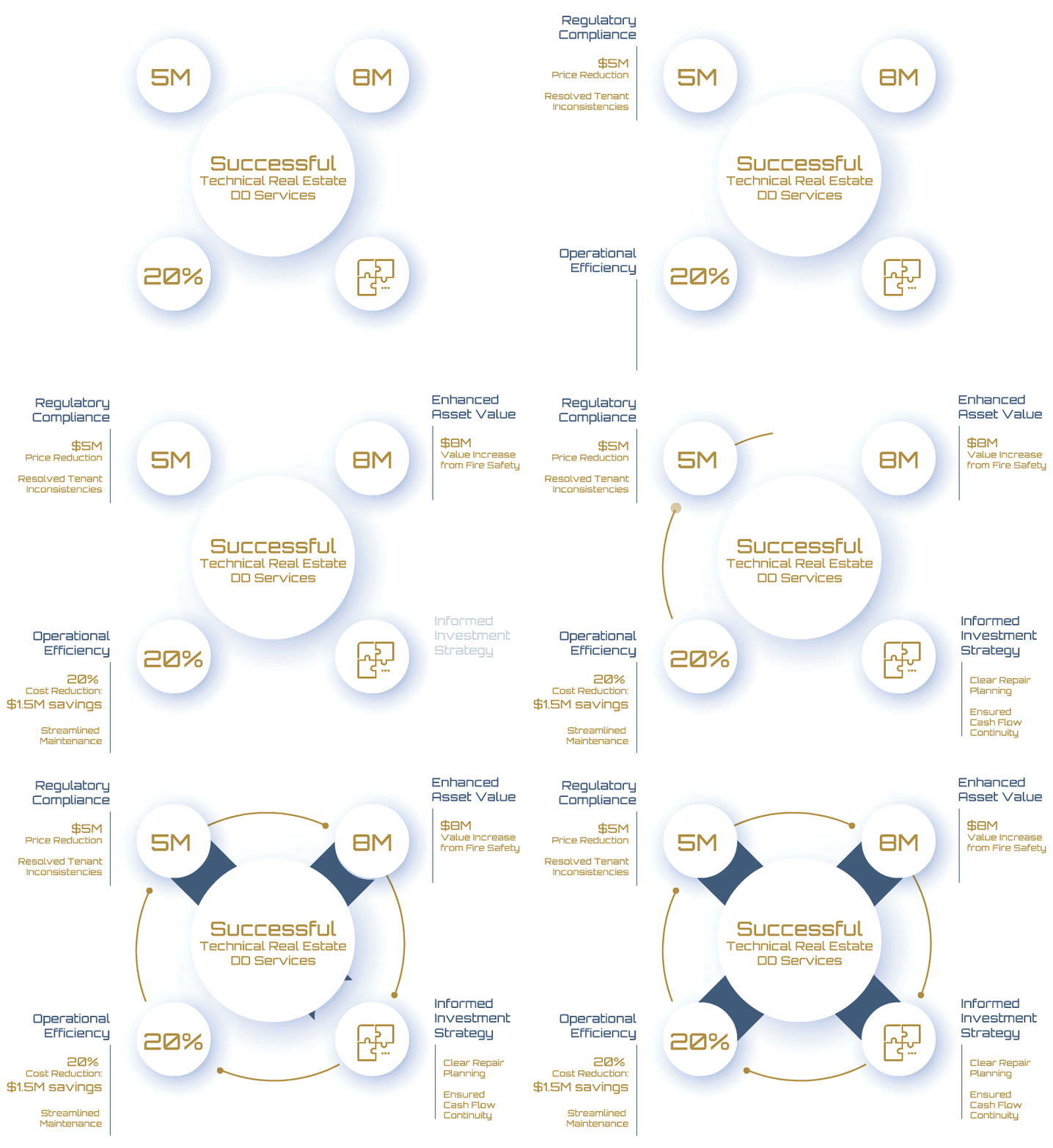
The identification of zoning limitations allowed the client to negotiate a $5 million reduction in the acquisition price, reflecting the cost of resolving compliance issues.
Tenant agreement inconsistencies were rectified through renegotiations, ensuring clearer terms and reducing the risk of future disputes.
Redesign strategies to address fire safety and accessibility compliance added $8 million to the portfolio’s projected market value, increasing its appeal to high-profile tenants.
Recommendations for replacing obsolete HVAC systems with energy-efficient alternatives reduced projected operational costs by 20%, translating into $1.5 million in annual savings.
Maintenance schedules were streamlined, ensuring more consistent upkeep of MEP systems and reducing the likelihood of expensive emergency repairs.
Clear delineation of repair and maintenance costs allowed the client to allocate capital efficiently, ensuring no disruptions to cash flow during the first-year post-acquisition.
SR360’s comprehensive due diligence strategy provided the client with critical insights into the condition, compliance, and investment needs of the portfolio. By identifying potential risks and offering actionable solutions, the client was able to reduce acquisition costs, enhance property value, and streamline future operational strategies.
Adding {{itemName}} to cart
Added {{itemName}} to cart